Traveling with dogs is fun, but you have to plan ahead so that both you and your dogs will be delighted. Preparing, packing the right gear, and following safe routines will reduce stress and make every stop more enjoyable. This guide is comprehensive, covering everything from planning before the journey to arrival at the destination.
| Phase | Focus | Key Actions |
| Phase 1: Planning and Preparing | Getting ready before leaving |
- Book pet-friendly lodging and confirm policies - Check travel rules for airline, train, or car - Plan rest stops every 2-3 hours |
| Phase 2: Essential Gear for a Safe Journey | Packing the right supplies |
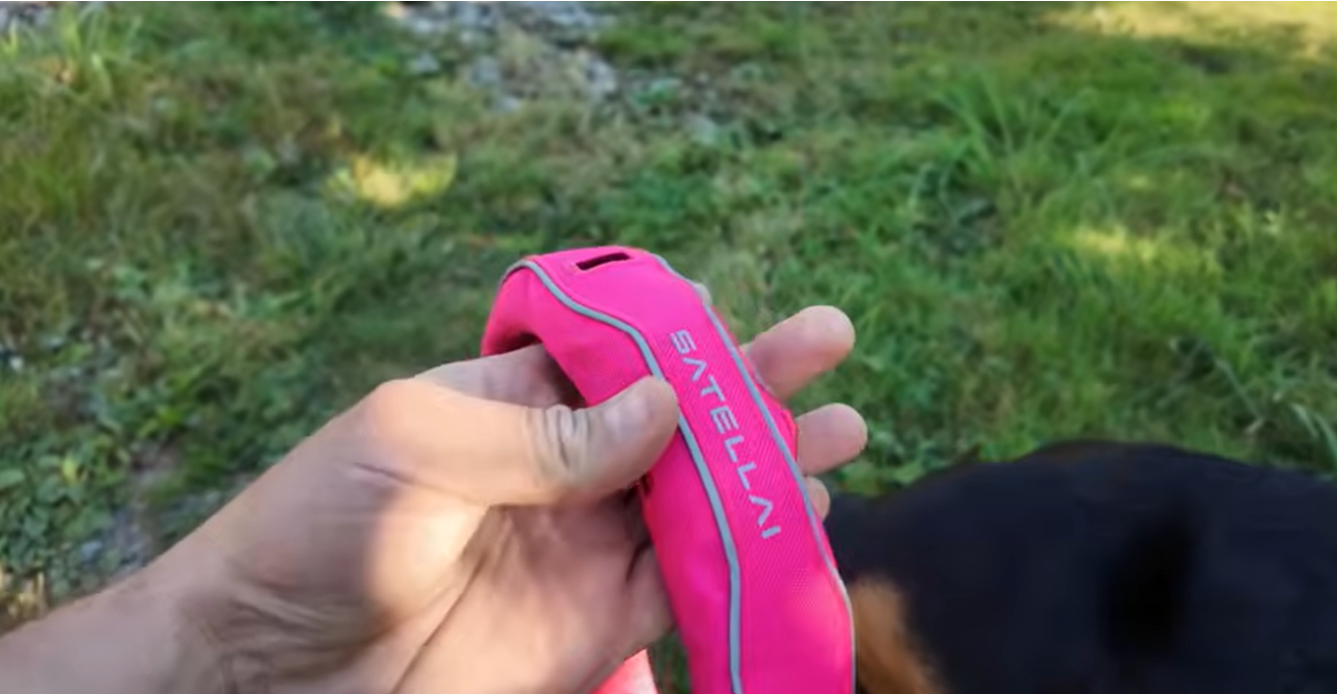
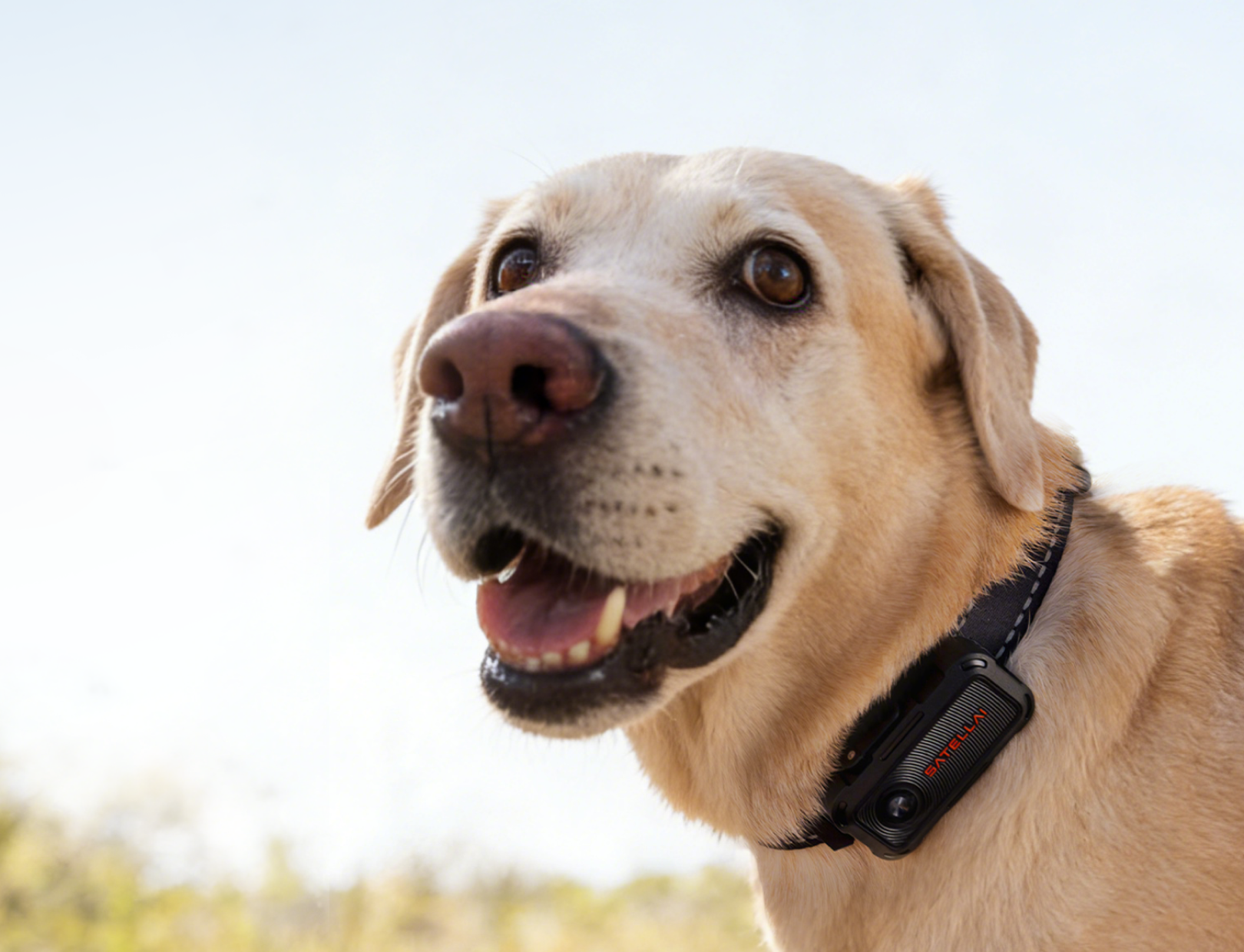
- Bring comfort items from home - Pack a dog first aid kit - Carry leashes, bowls, and waste bags - Secure car travel with crate or harness - Bring a GPS collar and collar cover |
| Phase 3: Settle In and Explore | Helping your dog adjust at the destination |
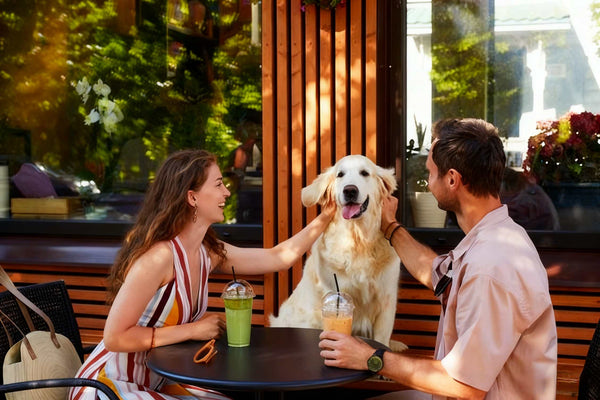
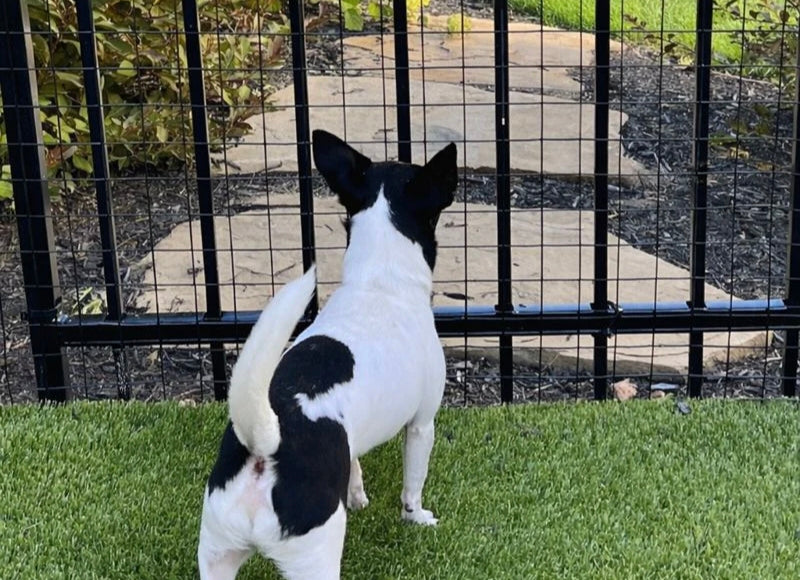
- Set up a home base with familiar items - Use the GPS collar to create a virtual fence for safe play - Choose pet-friendly dining spots - Visit dog parks carefully - Track location during outdoor activities |
| Final Tip: Prepare for the Unexpected | Staying ready for emergencies |
- Keep health records and a photo - Find the nearest vet - Adjust plans to your dog's needs |
Phase 1: Planning and Preparing for Your Trip
Good planning makes it easier to travel with your dog. A bit of preparation helps your dog stay calm and keeps the trip running smoothly.

Find Pet-Friendly Lodging
Choose hotels or rentals that allow dogs. Some have restrictions on size, breed, or number of pets, while others may provide extras such as outdoor areas or dog beds. Be sure to check the pet policy and pet travel requirements before booking.
Check Travel Rules
Different types of transport have different rules. Airlines usually need an approved carrier, health records, and advance booking. Trains and buses may not allow pets except service animals. If you are driving, check state and local laws about dog restraints in cars.
Plan Rest Stops
On long drives, schedule breaks every two to three hours so your dog can stretch, drink, and use the bathroom. Look for rest areas or parks that allow pets instead of relying on random stops.
Planning ahead saves time and stress. Confirm where you'll stay, check travel rules, and plan safe rest stops to make the trip smoother for you and your dog.
Phase 2: Essential Gear for a Safe Journey
The proper supplies keep your dog safe, calm, and healthy. Think of these items as part of your dog's travel kit-just as essential as your own.
Bring Familiar Comforts from Home
Pack items that smell like home, such as a favorite blanket, toy, or bed. These familiar things help your dog feel calm in new places and sleep better at night.
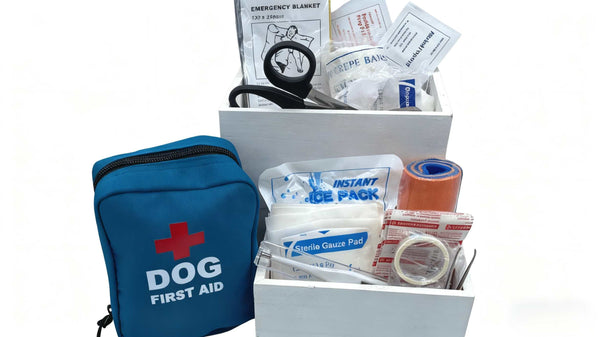
Pack a Dog-Friendly First Aid Kit
Be prepared for occasional mishaps. Include gauze, tape, antiseptic wipes, styptic powder, and tweezers. Talk to your vet about whether your dog might need special medication during the trip.
Carry Leashes and Outdoor Gear
Bring both a fixed leash for city walks and a retractable one for open spaces. Add collapsible bowls, waste bags, and wipes for easy cleanup. In cold or hot weather, pack a jacket or paw protection boots.
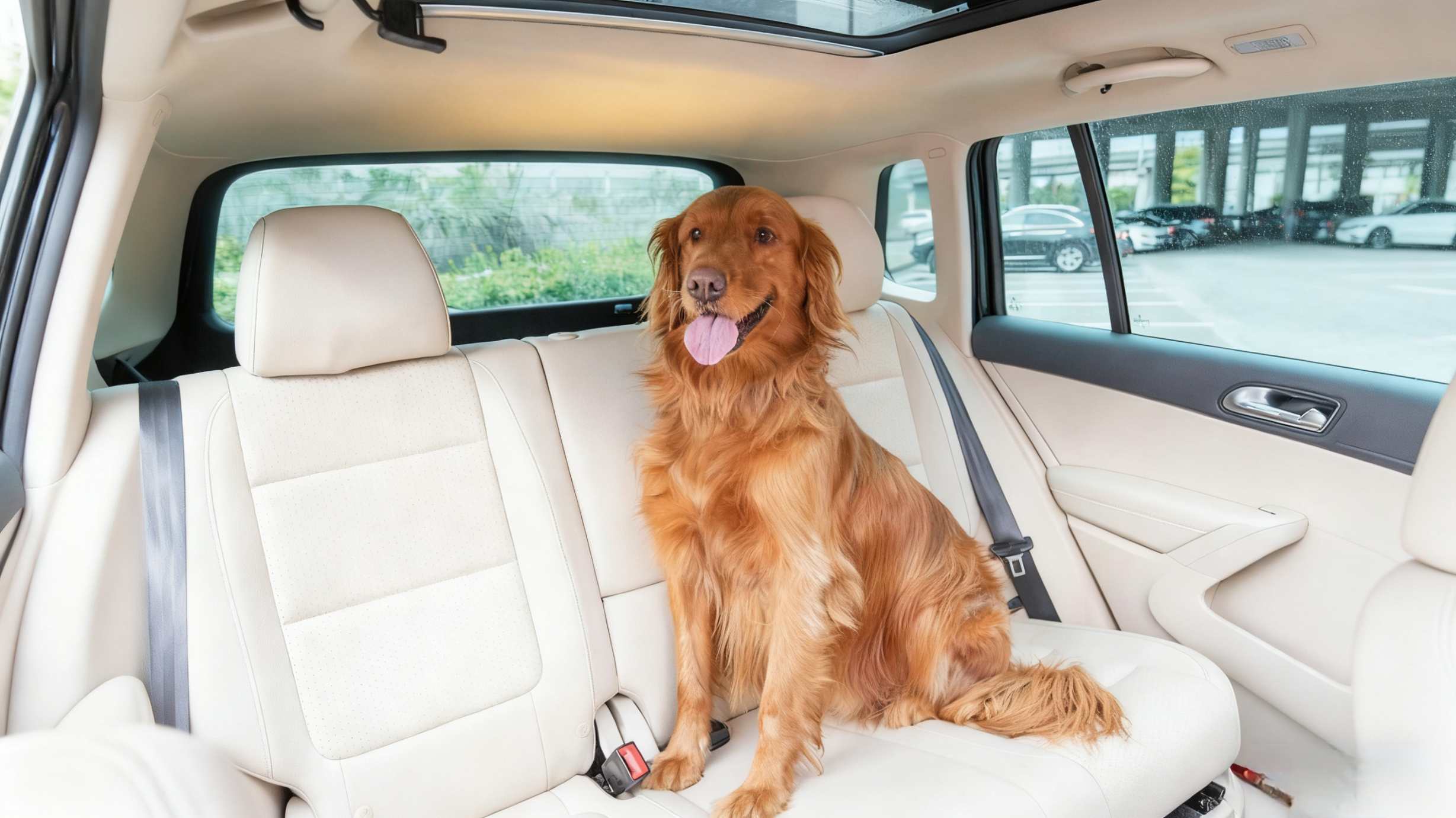
Secure Your Dog for Car Travel
Your dog needs to be secure inside the vehicle.
- Use a crash-tested crate or a seat belt harness instead of letting them roam freely.
- If your dog gets car sick, talk to your vet and keep the car cool with light meals before travel.
Bring a GPS Collar for Extra Safety
A GPS collar allows your dog to move more freely while staying safe.